Synthetic cinema needs human pacing.
The film's AI image world creates atmosphere and instability; the score gives that world a pulse the audience can follow.
An AI short film scored, sound designed, and composed by Sam Brukhman for a film festival context. A finalist for AI for Good's Film Festival, the work sits between cinematic storytelling, synthetic image-making, and human musical judgment.
What does human scoring do inside an AI-generated image world? Gurbet places original composition against synthetic cinema, giving the film a human contour of breath, tension, memory, and emotional time.
The score is not decoration after the image. It is the human grammar that tells the viewer where to place attention, when to trust the image, and when to feel the machine-world bend toward something personal.
The film's AI image world creates atmosphere and instability; the score gives that world a pulse the audience can follow.

Sound design and composition connect the film's shifting visual logic into a single felt line.

Gurbet belongs beside the speaking and art-tech work because it asks the same central question: what stays human when the image is synthetic?
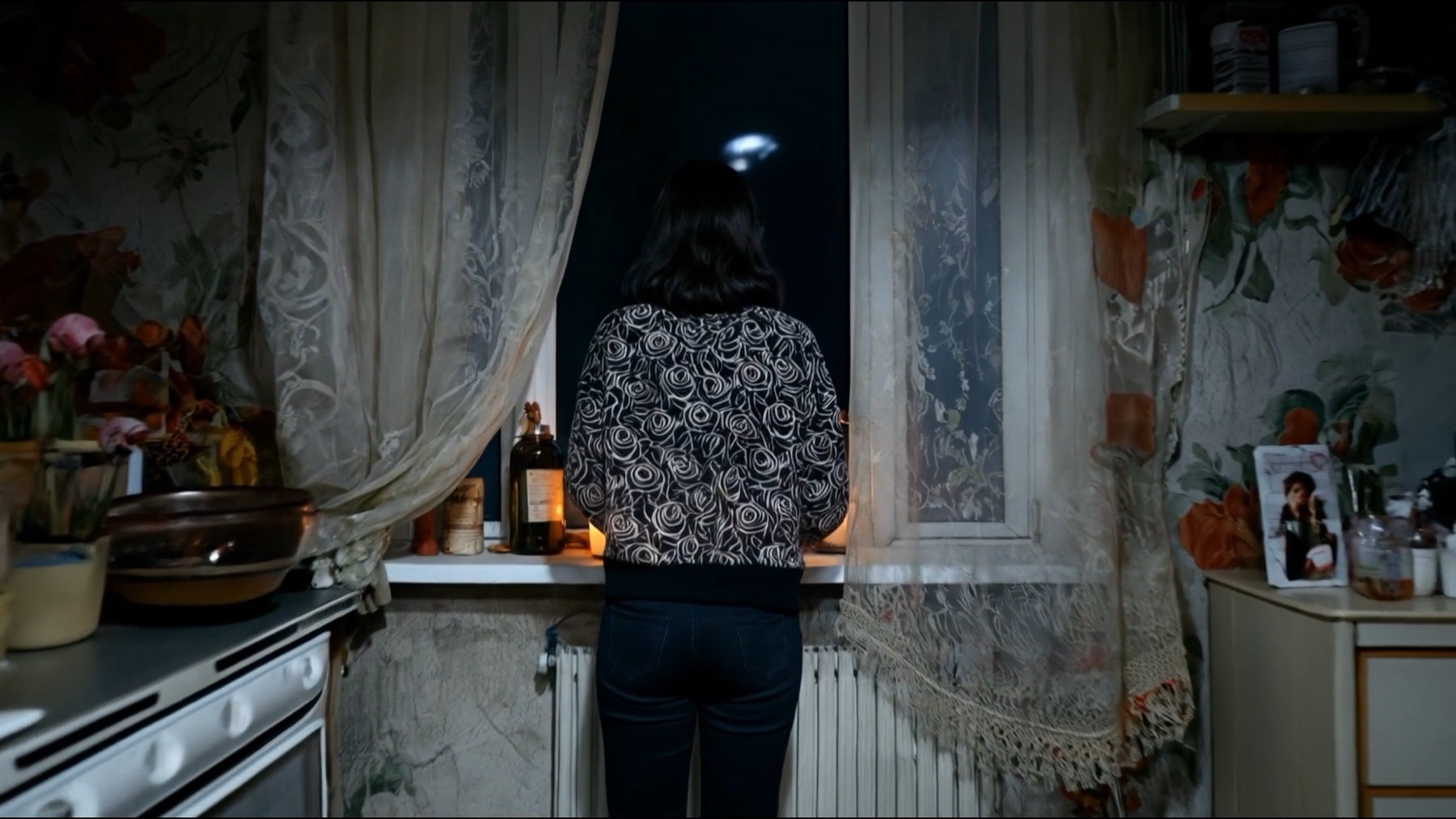
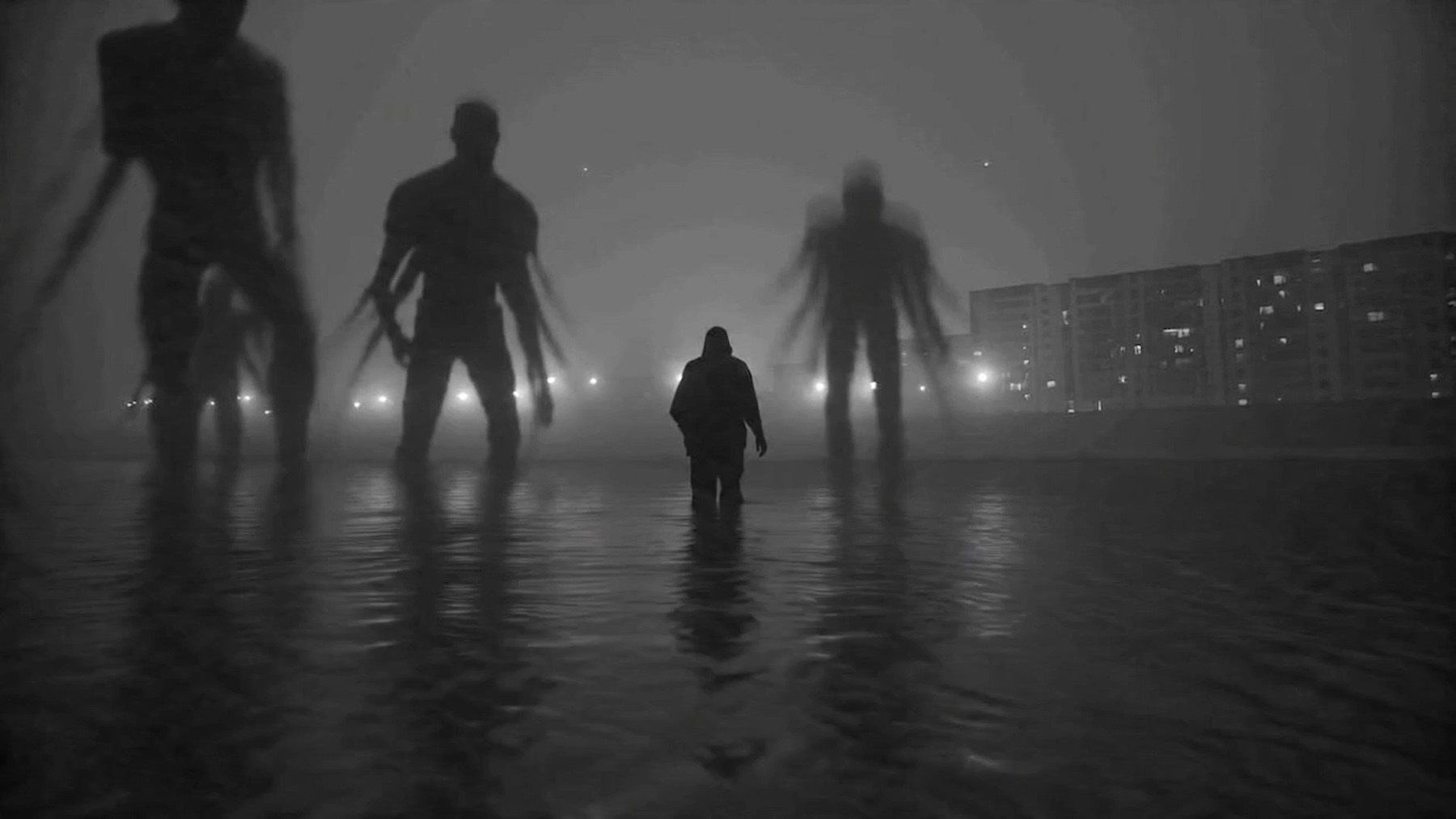
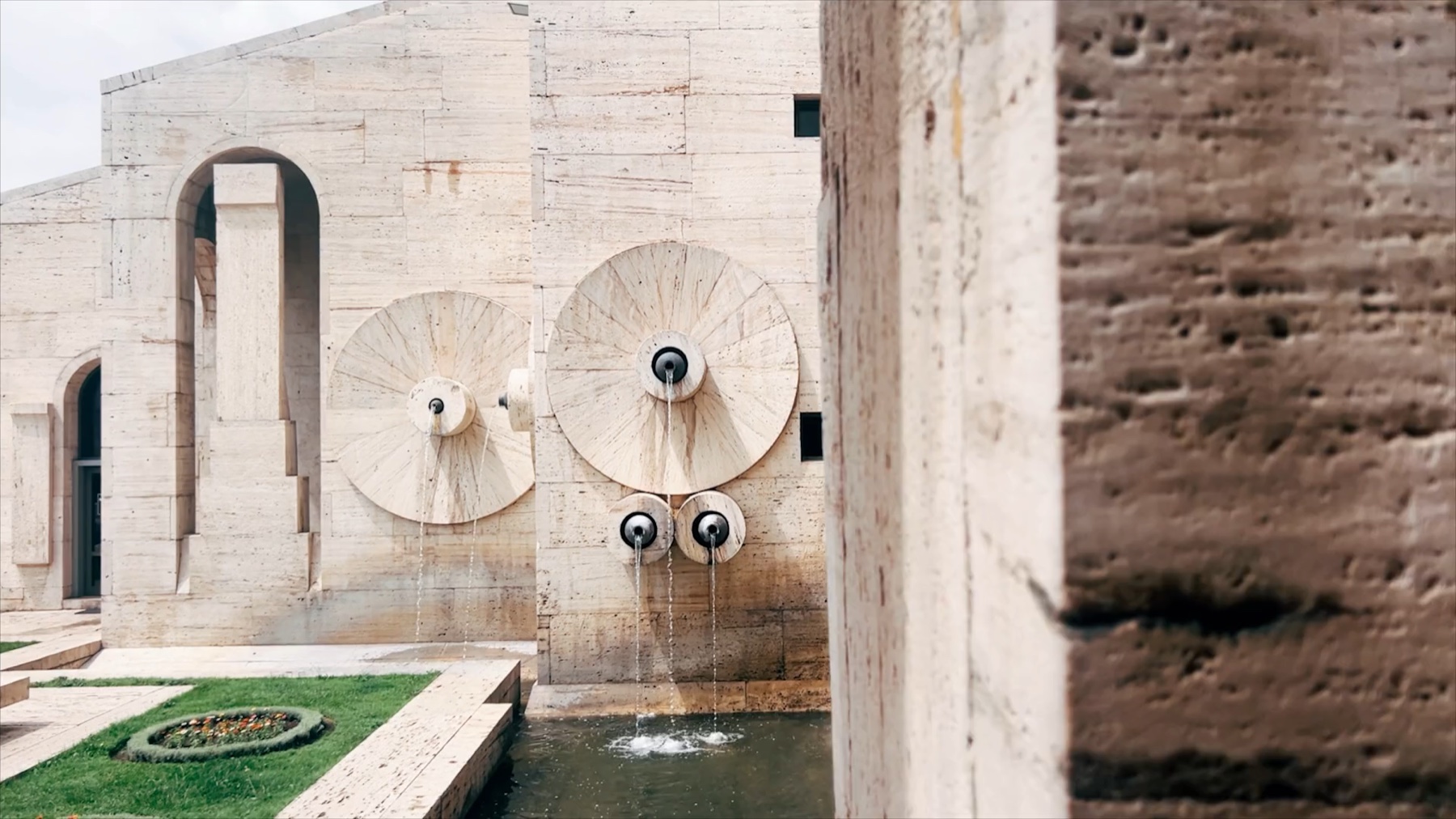
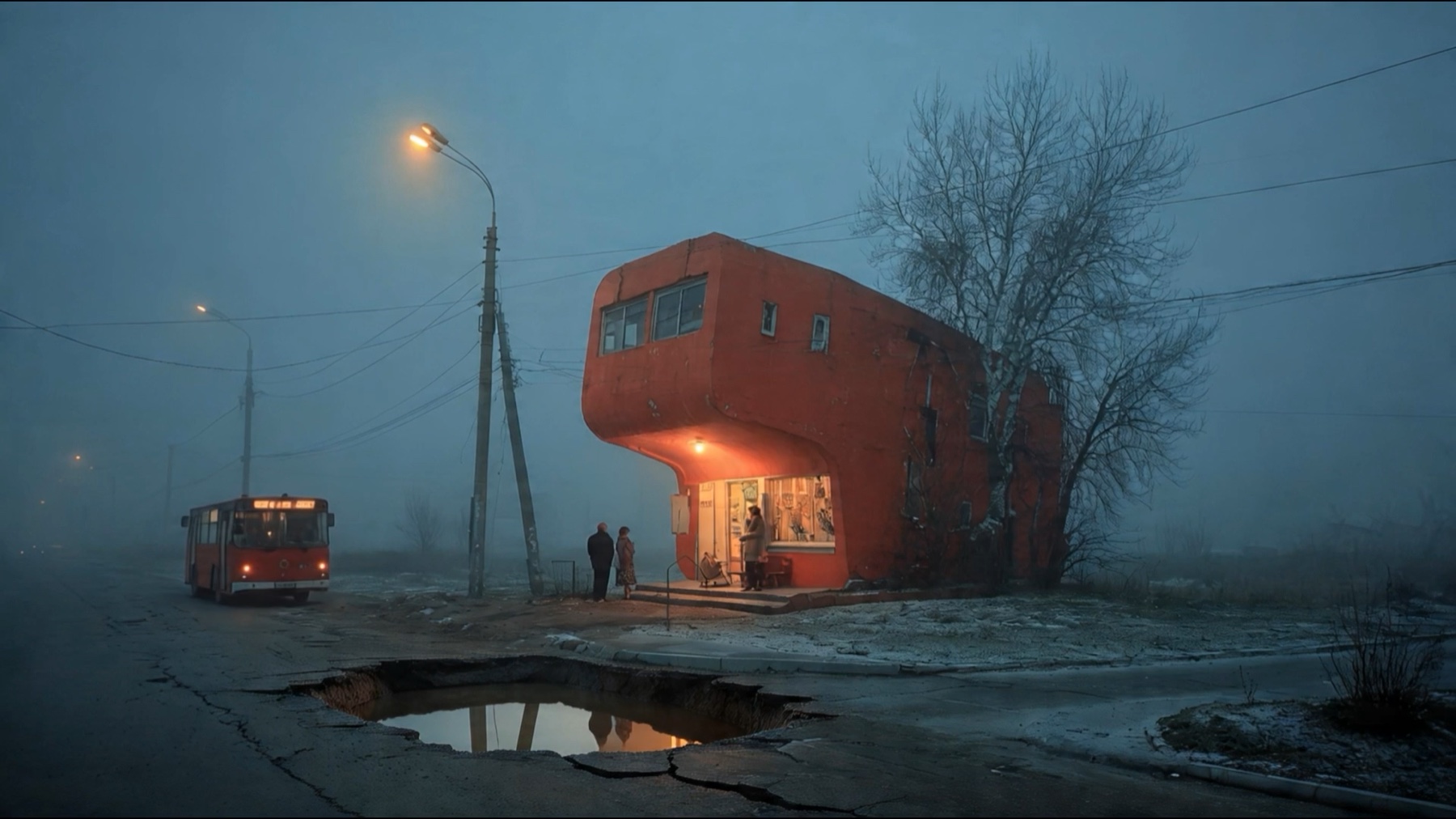
Selected frames from the film show the visual world the score has to hold: fogged civic space, ritual architecture, synthetic memory, and bodies moving through impossible rooms.